When considering someone who is suffering from addiction, more often than not people immediately think of the person in need of recovery. We begin to feel sympathy for them, or in certain gruesome cases, anger, especially after considering that children who have alcoholic family members are four times more likely to develop alcoholism than individuals who were not raised by alcoholics, they are more likely to have difficulty coping with life’s stressors, and are likely to marry an alcoholic or abusive spouse. Some people may even begin to look down on the person, and wonder: “Where are their families? Don’t they have someone to take care of them?” They absolutely might, but helping a loved one with a substance use disorder, which often co-occurs with a mental illness, presents unique and emotionally taxing challenges for family members. I will be examining how addiction co-occurring with mental illness can impact family members just as much as the person experiencing the addiction in this research report. My argument is that incorporating families into treatment for their loved ones may be the thing that helps the addict the most.
Introduction
According to “The Dual-Diagnosis Client: Substance Use Disorder and Mental Illness” in Concepts of Chemical Dependency, “If a patient has any form of mental illness, she or he is 270% more likely to have an SUD than the average person” (Doweiko 2015). This staggering statistic proves that there is an undeniable direct and complex relationship between mental illness and a SUD. Therefore, to examine the impact addiction has on families, mental health must be discussed. Mental health is the root of how we think, act, feel about ourselves and others, respond to stress, and make choices, thus, family members are directly impacted. An adolescents mental health influences their decision to switch their parents vodka with water; likewise, a father’s mental health directly influences their willingness to receive treatment for a substance use disorder that causes him to abuse his wife. An individual who suffers from a mental illness often seeks an escape from reality, which can be detrimental to his or her relationship with their family. The family may even begin to blame themselves, questioning whether or not it was something they did that pushed their loved one to alcohol or drugs. Despite the pain, a family members’ hope, coping, and readiness to change in family recovery is pivotal (Bradshaw, 2015). A dual-diagnosis client, someone who has a mental illness as well as a substance use disorder, may find it easier to deal with their unwanted feelings of anxiousness and sadness with a trip to the corner liquor store instead of one to a family member to talk about their feelings. The article, “Tug of War: The Mental Health/Addiction Connection,” explains that, “When someone is diagnosed with a co-occurring disorder — a mental health issue in tandem with substance addiction — an integrated, comprehensive treatment program for both disorders is essential. Why? Because left untreated, substance abuse will likely render any treatment for the mental illness ineffective, while untreated mental health issues will make sobriety increasingly difficult” (“Tug of War” n.d.).

The Toll on Family
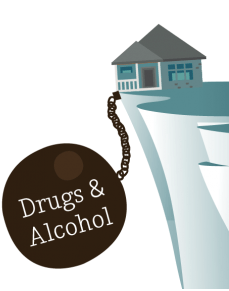
The brutal cycle of mental illness and substance use disorders absolutely takes a toll on everyone involved, especially family members. It doesn’t end at getting and receiving treatment, because it falls in the hands of the loved ones to be able to think logically and help pick the proper program for the addict. Doctoral researchers Clark and Drake (1994) explicate this by stating, “Families are typically a major source of support for people with mental illness, but substance abuse places an additional burden on family relations and could reduce the amount of direct support they give. Data from families of 169 people with co-occurring mental illness and substance abuse indicate that they give a substantial amount of time and money to their relatives with dual disorders” (Clark & Drake 1994). The researchers also concluded with their data that the more severe cases of substance abuse co-occurring with mental illness resulted in families spending less money on helping their loved one, but direct caregiving did not decrease. This proves the resilience of families to provide help for the ones they love no matter what, but at a substantial cost, mentally and financially.

If a dually diagnosed client does not receive proper treatment, he or she becomes more susceptible to larger problems. For example, the increased risk of suicide in dual-diagnosis clients has been estimated 60- to 120- fold higher than for the general population (Howland et. al., 2009). Further, dual-diagnosis clients are at increased risk for incarceration, less able to handle personal finances, have a weaker support system, and are more prone to depression and feelings of hopelessness” (Doweiko 2015). Not only do clients face critical environmental consequences, but they also “Face a 300% higher chance of contracting the virus that causes AIDS, a 170% higher risk for contracting the Hepatitis B virus, and a 250% higher chance of contracting the Hepatitis C virus” (Doweiko 2015). Dual-diagnosis clients are in pressing need of treatment because of the grave repercussions of the combination of their mental illness and SUD. Their inability to make logical choices, think clearly, and desperate desire to get their next fix makes them more susceptible to make impulsive decisions than a substance abuser without a concurrent anxiety or depressive disorder. The responsibility falls in the hands of the person’s loved ones and this takes an immense toll on families. SAMHSA, the Substance Abuse and Mental Health Services Administration, explains that some individuals have a genetic predisposition for developing mental and substance use disorders, and may be at greater risk based on environmental factors such as having grown up in a home affected by a family member’s mental health or history of substance use. Again, the impact a family member, especially a parent of an addict, is significant and can lead to feeling as if they caused the addiction. As explained by Cohen in the The Family text, conflict theorists believe that opposition and conflict define a given society and are necessary for social evolution (Cohen 2015). A conflict as severe as addiction and successful recovery absolutely results in change, which can drive the family’s history forward. While the journey can take an immense toll on the wellbeing of family members, living a life knowing your loved one is safe can make it worthwhile. This directly relates exchange theory in regard to addiction and recovery within families. Cohen states that exchange theory focuses on groups with “different resources, strengths, and weaknesses entering into mutual relationships to maximize their own gains” and “as long as the relationship is rewarding, both sides stay engaged. If the exchange is not rewarding, and if the cost of leaving is not too great, either party may leave” (Cohen 2015). In a family where addiction is present, it is clear that the addict is not able to use their resources in order to avoid using alcohol or drug(s) of choice, and the other family members who do not suffer from addiction must find the strength to provide their loved one with resources, whether it be a support system or financial aid for a recovery service. The cost for the non-addict family member can be incredibly high in certain situations, but their reward of helping a loved one is priceless.

Recovery and Families
Thankfully, families do not have to go through facing recovery for a loved one alone. Throughout the globe, family intervention programs are being implemented by mental health services as well as substance abuse services. One program in particular provided clear successful results, as explained by Muser and Fox (2002). The two mental health professionals created a new program called Family Intervention for Dual Disorders, FIDD. Licensed clinicians were able to implement the program in their treatment centers and to successfully engage the clients families in treatment. The results concluded that the majority of the clients demonstrated significant improvements in substance abuse over one to two years of treatment. This may not sound like a lot, but the recovery process can often take years to show even slight positive results. A collaboration between family members and mental health professionals may be the thing that helps those in need most successfully (Muser & Fox 2002). Moreover, health care professionals view treatment for patients with a mental illness and SUD as a three phase process including the initial establishment of a healthy and positive therapeutic relationship, engagement or motivational enhancement/engagement, and rehabilitation where active treatment is presented (Doweiko 2015). With this being said, treatment must often be designed towards the individual in order for a true recovery to begin. Each patient has a different amount of willingness to change, motivation, varying levels of anxiety or depression, whether or not they have previously experienced different treatments, and interventions and what kind of environment they will enter into after being discharged. Making sure the families of these people are able to provide a stable environment at home is imperative but can also put a strain on the family members, especially those from lower socioeconomic environments. The amount of pressure families receive is overwhelming. These factors along with numerous other factors, must be taken into consideration for each individual dual-diagnosis client. However, it is important to remember that even though a long term commitment to abstinence is a possible goal to reach, “it is the endpoint of a long, difficult, process for both the client and treatment staff” (Doweiko 2015).

Global Comparison
In order to grasp how many families are being affected by mental illness, addiction, and recovery, one must understand how much of the world is impacted by addiction. The statistics are staggering and alarming.
According to the 2014 status report on “Global Statistics of Addictive Behaviors,” “people in Eastern Europe smoke and drink more than anyone else in the world, while Asians drink the least. One thing that stands out is countries that are predominantly Muslim have a much lower rate of alcohol consumption” and “Alcohol consumption is also lower in the least developed countries. In many countries the smoking rate is much higher among men. Drinking is more common among men in some countries, but not in Western nations,” (Gowing et al., 2015). The statistical analysis provided specific information that explains the details of global addiction: “An estimated 4.9% of the world’s adult population (240 million people) suffer from alcohol use disorder (7.8% of men and 1.5% of women), with alcohol causing an estimated 257 disability‐adjusted life years lost per 100 000 population. An estimated 22.5% of adults in the world (1 billion people) smoke tobacco products (32.0% of men and 7.0% of women). It is estimated that 11% of deaths in males and 6% of deaths in females each year are due to tobacco. Of ‘unsanctioned psychoactive drugs’, cannabis is the most prevalent at 3.5% globally, with each of the others at < 1%; 0.3% of the world’s adult population (15 million people) inject drugs” (Gowing et al., 2015). While these statistics are alarming and put things into perspective for those who have little knowledge on the influence of addiction internationally, research on how this has affected family members in these countries is unfortunately less frequent. However, one study titled, “Harm Experienced from the Heavy Drinking of Family and Friends in the General Population: A Comparative Study of Six Northern European Countries” does look at the impact addiction and recovery has on family members. The researchers used data from national general population surveys collected from Finland, Scotland, Iceland, Norway, Sweden, and Denmark. The surveys asked participants questions on experiencing the harms of the drinking of family and friends. The results concluded that the prevalent concern of harm by the drinking habits of family and friends was reported more frequently by women and young participants. Also, the highest prevalence of harm was reported Finland, Iceland, and Norway and lower estimates for Denmark, Sweden, and Scotland (Ramstetd et al., 2016).
Given the statistics and information above, addiction influences more families than we may think. In an attempt to see from the perspective of a dually diagnosed individual, the stigma of both a mental illness and SUD can prevent people from being honest about what they are going through. Individuals who are dual diagnosed might find it harder to get a job, participate in events with loved ones, and live their lives without constant fear of being judged, which impacts their family members greatly. It is vital that a proper and competent treatment plan that includes family be implemented in all mental health facilities that treat substance abuse and mental illness. Family can provide the protection and support needed for a suffering individual to live a life as healthy as possible. The role of the family in addiction may be the key to reducing the staggering statistics of addiction worldwide.
Discussion question: Can you think of any specific ways that involve family members into the recovery treatment process for addicts? Do you think incorporating family has any downsides? If so, what are they?
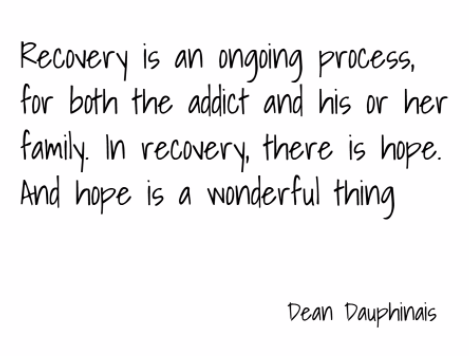
Key words: addiction, recovery, family impact, mental illness, mental health
References
Clark, R.E., Drake, R.E. Expenditures of time and money by families of people with severe mental illness and substance use disorders. Community Ment Health J 30, 145–163 (1994). https://doi.org/10.1007/BF02188626.
Cohen, Phillip. The Family. W.W. Norton, 2015.
Comer, J. R. (2014). Abnormal Psychology: Eighth Edition. New York, NY: Worth Publishers.
Doweiko, E. H. (2015). Concepts of Chemical Dependency: Ninth Edition. Stamford, CT: Cengage Learning.
Fadden, G., Bebbington, P., & Kuipers, L. (1987). Caring and its Burdens: A Study of the Spouses of Depressed Patients. British Journal of Psychiatry, 151(5), 660-667. doi:10.1192/bjp.151.5.660
Gowing, L. R., Ali, R. L., Allsop, S., Marsden, J., Turf, E. E., West, R., and Witton, J. ( 2015), Global statistics on addictive behaviours: 2014 status report. Addiction, 110, 904– 919. doi: 10.1111/add.12899.
Grant B.F, Stinson F.S, Dawson D.A. (2004). Prevalence and Co-occurrence of Substance Use Disorders and Independent Mood and Anxiety Disorders: Results From the National Epidemiologic Survey on Alcohol and Related Conditions. Arch Gen Psychiatry, 61(8),807–816. doi:10.1001/archpsyc.61.8.807.
Howland R.H., Rush J.A., Wisniewksi S.R., Trivedi M.H., Warden D., Maurizio F., Davis L.L., Balasubramani G.K., McGrath P.J., Berman S.R. (2009). Concurrent Anxiety and Substance Use Disorders Among Outpatients with Major Depression: Clinical Features and Effect on Treatment Outcome. Drug and Alcohol Dependence, 99(1-3), 248-260. doi.org/10.1016/j.drugalcdep.2008.08.010.
Mueser, K.T., Fox, L. A Family Intervention Program for Dual Disorders. Community Ment Health J 38, 253–270 (2002). https://doi.org/10.1023/A:1015271908765
Ramstedt, M., Sundin, E., Moan, I. S., Storvoll, E. E., Lund, I. O., Bloomfield, K., … Tigerstedt, C. (2015). Harm Experienced from the Heavy Drinking of Family and Friends in the General Population: A Comparative Study of Six Northern European Countries. Substance Abuse: Research and Treatment. https://doi.org/10.4137/SART.S23746
Spencer Bradshaw, Sterling T. Shumway, Eugene W. Wang, Kitty S. Harris, Douglas B. Smith & Heather Austin-Robillard (2015). Hope, Readiness, and Coping in Family Recovery From Addiction, Journal of Groups in Addiction & Recovery, 10:4, 313-336, DOI: 10.1080/1556035X.2015.1099125
“Tug of War: The Mental Health/Addiction Connection.” (n.d.). In. Co-Occurring Treatment Methods. Retrieved from Talbott Recovery website.
 kaylaallbrightblog
Hi Kalya,
I really enjoyed reading your research website. I found your topic very interesting and unfortunately I think this is a topic that a lot of people have to deal with. One thing that I am curious about is what percent of families face these struggles of addiction and mental illness. I liked how you tied Cohen’s idea of exchange theory into your analysis as well. Cohen defines this as, “a theory that individuals or groups with different resources, strengths, and weaknesses enter into mutual relationships to maximize their own gains” (Cohen, 20). As you mentioned, in a family where addiction is present, it is clear that the addict is not able to use their resources in order to avoid using alcohol or drugs leaving the rest of the family having to find resources and comfort for the addict. Regarding your discussion question, i’m not sure about ways families can be incorporated into the recovery process, but I think it could be beneficial. It could open their eyes to see the love and care their families have and further push them to overcome what they are struggling with. I think if family members are not presented, the addict may feel alone which could cause further issues. I would be interested to find out if family members are typically associated with the recovery process! Overall, I think you did a great job with your research website!
LikeLike
Hi Kayla,
As a psychology major and someone who is continuing my education in the field of clinical psychology, I really enjoyed reading your post. I have learned that some of the best treatment plans include family members that are supportive and flexible in learning how to best assist their loved ones on the road to recovery. Thus, I strongly agree with your argument. The statistic that really stunned me was that if a patient has any form of mental illness, she or he is 270% more likely to have a SUD than the average person. Unfortunately, mental illness impacts a great deal of the members within our society, so this is a large population of individuals who are at risk of developing a substance use disorder. Cohen’s description of exchange theory explains that “as long as the relationship is rewarding, both sides stay engaged. If the exchange is not rewarding, and if the cost of leaving is not too great, either party may leave” (Cohen 2015). I feel as though this can help support my answer to your discussion question. Families can become involved in their loved one’s treatment plans by accompanying them to AA meetings or attending Al- Anon meetings. However, if a family member becomes frustrated with the progress their loved one is making, or their loved one is not taking their own recovery seriously enough, this could result in a negative relationship where one or both parties disengage from the entire process. Overall, I thought you did a great job with this research.
– Anne Brennan
LikeLike
Hi Kayla! I really enjoyed reading your research website! I thought your point about how “a father’s mental health directly influences their willingness to receive treatment for a substance use disorder that causes him to abuse his wife”. I think it’s especially important to think about the children who have parents who are dual diagnosed because they are more likely to be abused which can lead to long term psychological damage. Cohen talks about a care relationship which is where “one person is responsible for another person’s care. That means that what happens between them is within the family arena and may be complicated by its invisibility to those outside the family” (p. 440). I think this applies to both mental illness, substance abuse and violence in the home. It’s very difficult to be aware of what is happening in a family on the outside, making it very difficult to get those individuals help. I also enjoyed reading your section about families coming together to help the individual and not just giving up. Teamwork is important to get through situations like this!
LikeLike
Kayla, I think you have a lot of great points here. I think that family taking part in an addict’s recovery has its pros and cons. Family can provide boundless support for the individual and accept the individual unconditionally. This type of support helps the person in recovery feel like what they are doing is positive and productive. I also think it is important to look at the disadvantages of having this unconditional support. In many instances the addict can become the focus of the family, causing the other members to alter their lives in ways that support the addict. This can be harmful to recovery because the family may find themselves walking on eggshells around the addict, providing an unrealistic reality. I think it would be important to incorporate people outside of the family into the recovery in order to ensure that the addict can learn to cope with the adjustments they must make in society, not just the adjustments the family must make for the addict.
LikeLike
Hi Kayla! I enjoyed reading your response. This is a really important topic as it is very common throughout the world. As I was reading, I thought about Cohen’s idea of the “personal family”, or the people who might not be related to us, but we associate with them as family members (Cohen, pg. 6, 2018). I think that this situation is hard not only on the direct family members, but also the personal family and other surrounding people. In reference to your discussion question, I think that incorporating family members into the recovery process to help addicts with accountability and support is very important. However, this can potentially have down sides and make the recovery process more difficult. For example, I can imagine that if the relationship between the family members is unstable or the reason for the addiction is caused by a family issue or event, incorporating family members into the recovery process may be triggering.
– Madelyn McMahon
Cohen, P. N. (2018). The family: diversity, inequality, and social change. New York: W.W.
Norton & Company.
LikeLike
Hi Kayla,
I really enjoyed reading your blog post. I think that the arguments that you made in relation to mental health and SUD were very strong. In my own life, my extended family has been affected by addiction and it created a strain on many relationships. I think that family members being involved in the recovery of someone with addiction can be both helpful and harmful depending on how they go about it. In the textbook, Cohen states that the “label family signals an expectation of care or commitment,” (Cohen, 2018, p.5). I feel that this expectation of care is what drives a family to help a loved one that is dealing with addiction. I think that involving the family can be beneficial if the person a with addiction is ready to get the help that they need and the family is able to provide them with the love and support that is important to their recovery. I also think that family involvement can be hurtful when it turns into enabling. Many times people think that doing what they think the right thing is is often hurting someone with an addiction and that is why I think professional help is important. I like that you mentioned that recovery can take a long time, but it is indeed possible. Overall, great post!
Cohen, P. N. (2018). The family: diversity, inequality, and social change. New York: W.W.
Norton & Company.
-Amanda Dodson
LikeLike
Hi Kayla, I enjoyed reading your blog post! I found it very interesting and educational. I enjoyed when you discussed family being involved in the recovery process. I have taken many classes on substance abuse and take a great interest in it as I have had family members with substance abuse issues. I think that having families involved in the process would impact the patient on a much greater scale. If the family and health professionals were able to get on the same page and constantly work together, I believe the recovery process for that patient would improve and their risk of relapse would go down. If they are able to achieve a symbolic interaction, which as Cohen describes it “revolves around the ability of humans to see themselves through the eyes of others and to enact social roles based on others’ expectations” (Cohen p. 21), with a family member who cares deeply for them, they will be able to see their self worth and ability which may help them have a stronger desire to recover without relapse.
Cohen, Philip N.. The Family: Diversity, Inequality, and Social Change (Second Edition) (p. 21). W. W. Norton & Company. Kindle Edition.
LikeLike