Kayla Allbright

My name is Kayla Allbright and I am a senior Psychology major with a Writing and Communications minor at Siena College. I have worked at Siena’s Writing Center since my sophomore year, where I am a tutor and specialize in mentoring international students. Aside from working on Siena’s campus, I am an intern at New Paradigm Psychological Services, which is a psychology practice in Albany that deals with individuals who have committed sexual offenses or have faced sexual difficulties. Currently, I do not plan on working with this population in the future and want to confront a variety of topics and people suffering from different mental illnesses (Sociological Imagination, 21). At home in a small town, Floral Park on Long Island, I work at a clothing store called Lilly Pulitzer. When I’m not working or at my internship, I enjoy spending time with my friends, watching the New York Yankees, and taking pictures of my dog, Axl.

Leaving for college was an extremely hard thing to do coming from a close-knit family. My immediate family is small, consisting of my parents and older sister, Sam. Since my sister moved to Chicago three years ago, it is just my parents and I at home. Besides big Sunday pasta dinners and sharing a love for the Yankees, owning a business together is what made my family so close. For years, my parents, sister and I co-owned and operated an old fashioned candy store called Bliss on Tulip. According to the Conway Center for Family Business, over 60% of U.S. gross domestic product is accounted for by family businesses and they generate for almost 80% of all new job creation. Growing up my peers would ask me if it was weird having my parents also be my boss since they were already my authority figures by common practice and formally by the law (Cohen, 6). It never felt strange to me because my parents did a great job filling their roles appropriately both in the institutional arena and the family arena (Cohen, 11).
While co-owning and working at the candy shop for most of my adolescence kept me busy, it was not always sweet. All of our time was spent at the candy store and when we weren’t there, our conversations centered on things like what shipments were coming in or who has to handle the next social media posts. This is a common reason why family businesses struggle; a lack of separation between business time and family time, according to GrowWire, and explains why only about 30% of family businesses survive into the second generation. After I left for college and my sister moved to Chicago to be with her fiance, my parents had no choice but to sell the candy business because they both own their own businesses on top of Bliss on Tulip. Taking two out of the four family members out of the business unfortunately did not work, but I believe it made my family much healthier and happier overall.

With the extra time my family had thanks to the closing of the candy shop, my parents got to focus on something they truly love – animals. According to the APPA, the American Pet Products Association, almost 70% of US households include at least one pet. In regards to what kind of pets, the APPA’s 2017-2018 National Pet Owners Survey states that 89.7 million dogs have owners in the U.S. My family falls right into this statistic with our teacup yorkie, Axl.
Along with Axl, my family has had a few dogs throughout the years, two cats, hundreds of exotic fish that lived in a tank that covered the entire span of a wall in my dining room including a baby shark, several dozen chickens, one goat, bunnies, a few snakes, numerous tortoises, etc. The list goes on, but many of these lived in my home when I was very young so I do not remember them all. Currently, Axl shares our backyard with a chicken coop, chicken run, and a fenced off area for the tortoises. Other reptiles live in a separate area of my house in order to prevent any of the other animals from touching them or getting sick.

My sister, Axl, and I 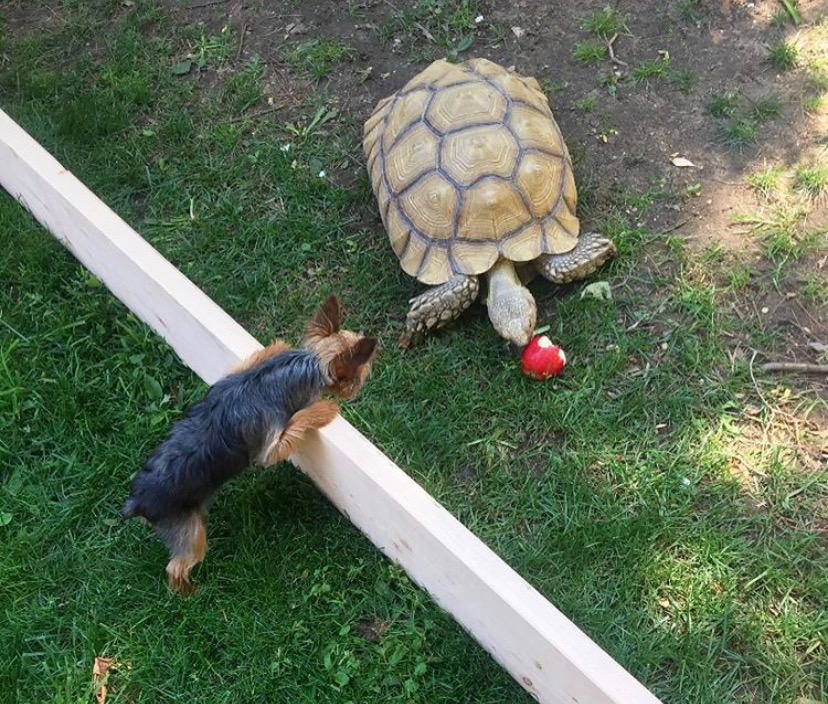
Axl and Sky 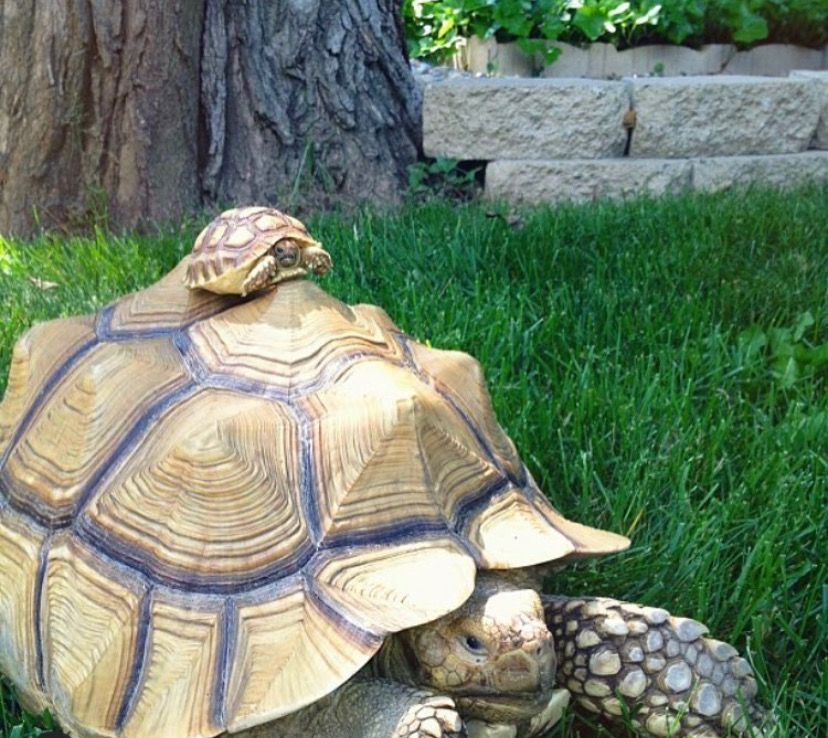
Sky and Sunny 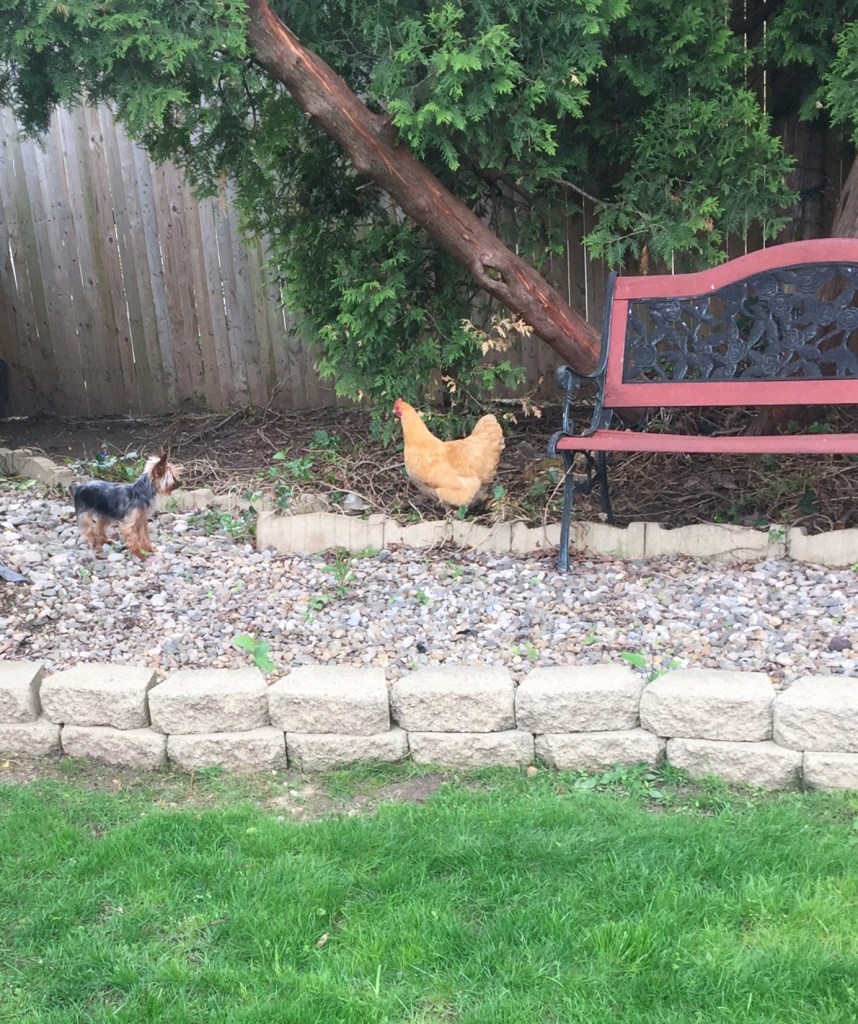
Axl and chicken
In the past few years, the amount of people who consider their pets to be family has increased dramatically, according to a survey from the Harris Poll for Petfood Forum. The PetFood Forum explains that as of 2016, 95% of pet owners in the U.S. consider their pets to be part of the family. Pets are absolutely part of the family in my household and they have been my entire life. I wouldn’t have it any other way because as a Psychology major, I fully believe in the biophilia hypothesis and the therapeutic effect pets can directly have on people, and in my case, my entire family.
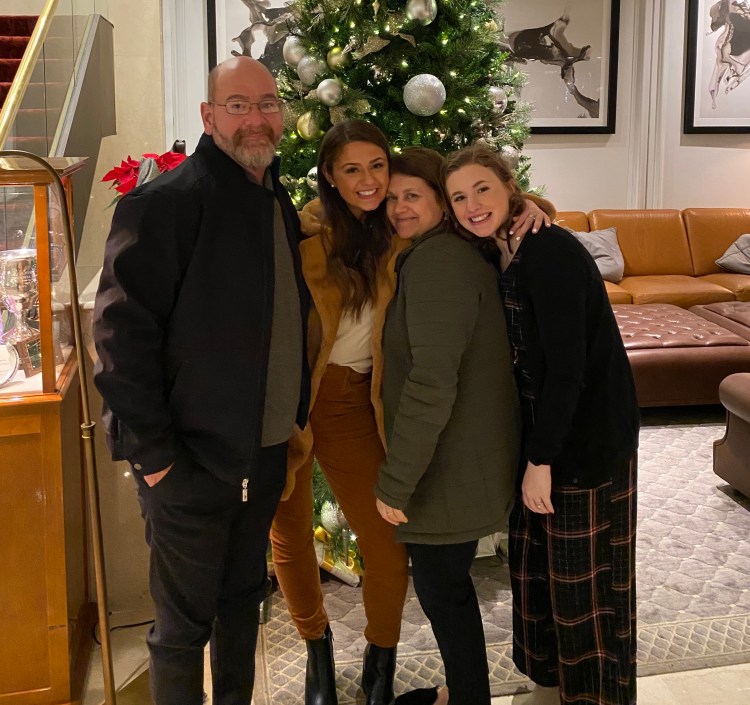
My family is my greatest support system. Even after my sister moved to Chicago to put an end to her long distance relationship, we prioritize our FaceTime calls and I will always consider her to be my best friend. I would consider my family to be in the middle-class but unlike the elite discussed in the “Who is Elite” excerpt, I do not fall subject to “upward comparisons and feelings of relative deprivation” because economic status means little when thinking about what my family has an abundance of, which is trust, clear communication, and love (Rivera, 288). In my future, I hope to have a family just as supportive as mine is, and I also hope it is filled with as many animals as possible. Professionally, my goal is to work in the mental health field and to make other people’s lives as happy as possible.
References
Cohen , Philip N. The Family: Diversity, Inequality, and Social Change. 1st ed., W.W. Norton & Company Inc. , 2015.
Mills, C. Wright. Sociological Imagination. Oxford University Press, 2001.
Rivera, Lauren. Pedigree: How Elite Students Get Elite Jobs, 2016.
 kaylaallbrightblog